Discover some of Crete’s rich archaeological heritage.
There are loads of myths and legends connected with the history of the island but the following items appear to be the facts:
- Knossos was the first site inhabited in Crete- pre 7000BC
- The palace of Knossos was the centre of a carefully organised bureaucratic society
- 2000- 1450BC -The economic and cultural activity at this time is known as Minoan civilisation after King Minos.
- In 1400BC many towns and palaces were destroyed by fire and earthquakes
- In 66BC Crete became a Roman Province – this marked the start of Christianity
- In AD395 it was under Greek rule as part of the Byzantine Empire
- In AD824 Arabs from Cordoba in Spain ruled from a fortress at Heraklion
- 961-1204 – Byzantine rule once again
- 1204-1669 ruled by Venice
- 1669-1898 ruled by Ottoman Turks
- In 1913 Crete became part of Greece
- In 1941 it was occupied by the Germans
- In 1945 the Germans surrendered
- Crete is one of Greece’s 13 administrative regions
Archaelogical Sites Close to Kalyves
Kalyves is actually well placed for visiting many archaeological sites. Within about 100 km you can reach a wide range of Minoan, Greek, Roman and Venetian sites.
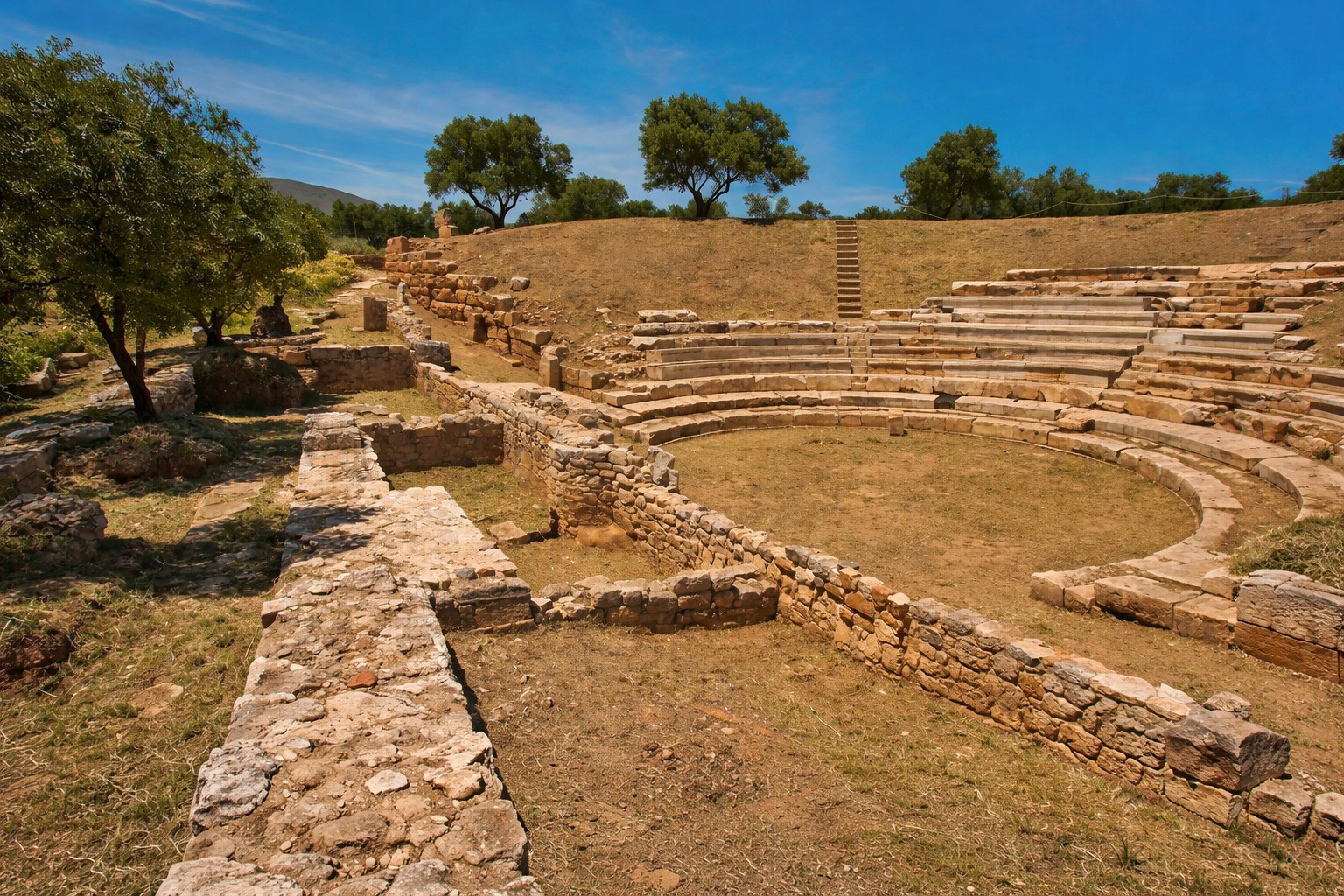
Aptera
8 kms from Kalyves
One of the most important ancient cities in Western Crete
Ancient Lappa (Argiropouli)
50 kms from Kalyves
Flourished in Classical and Roman times.
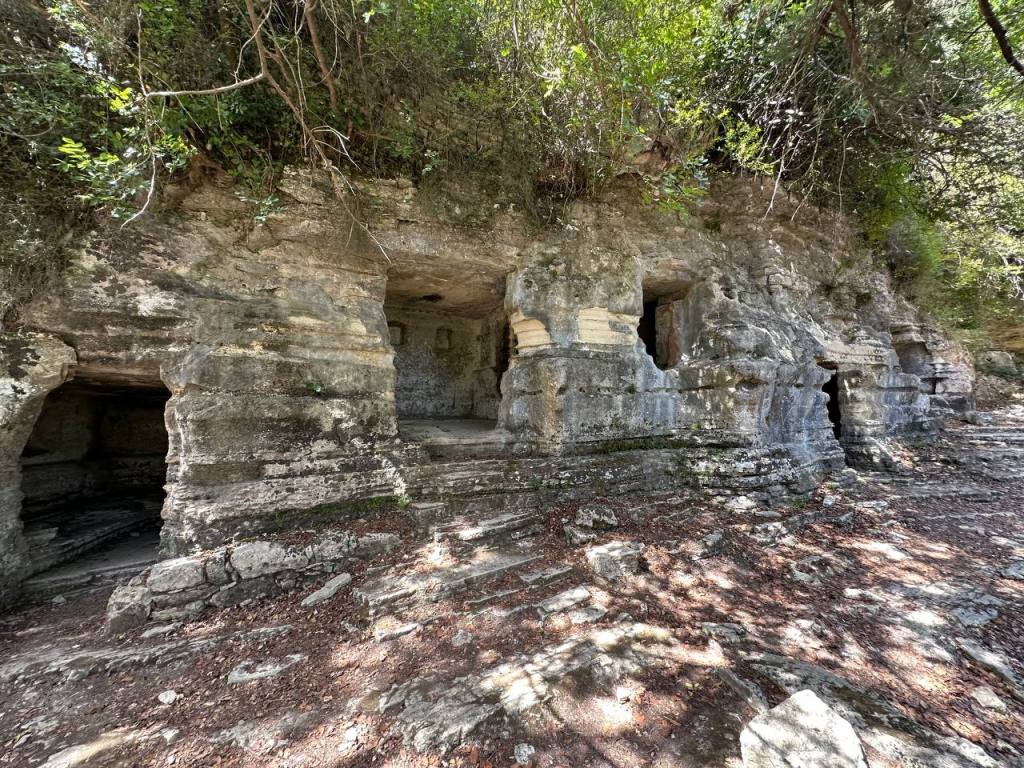
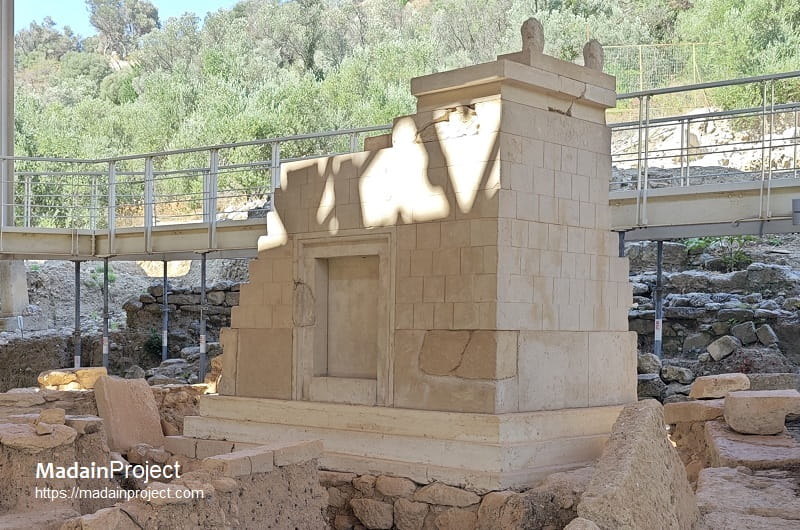
Eleutherna
90 kms from Kalyves
Occupied from Minoan to Byzantine times.
Knossos
120 kms from Kalyves
The most famous archaeological site in Crete.
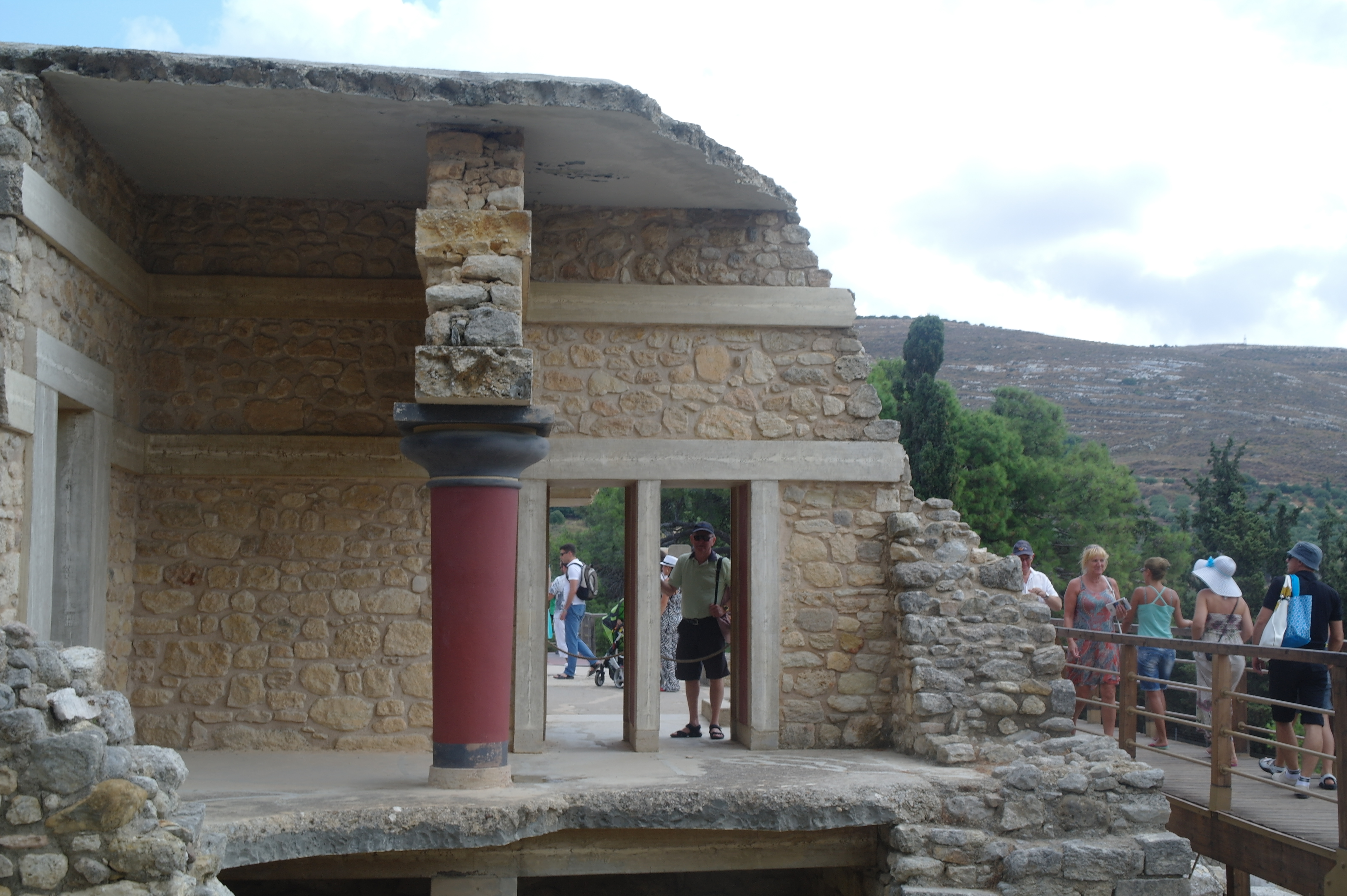
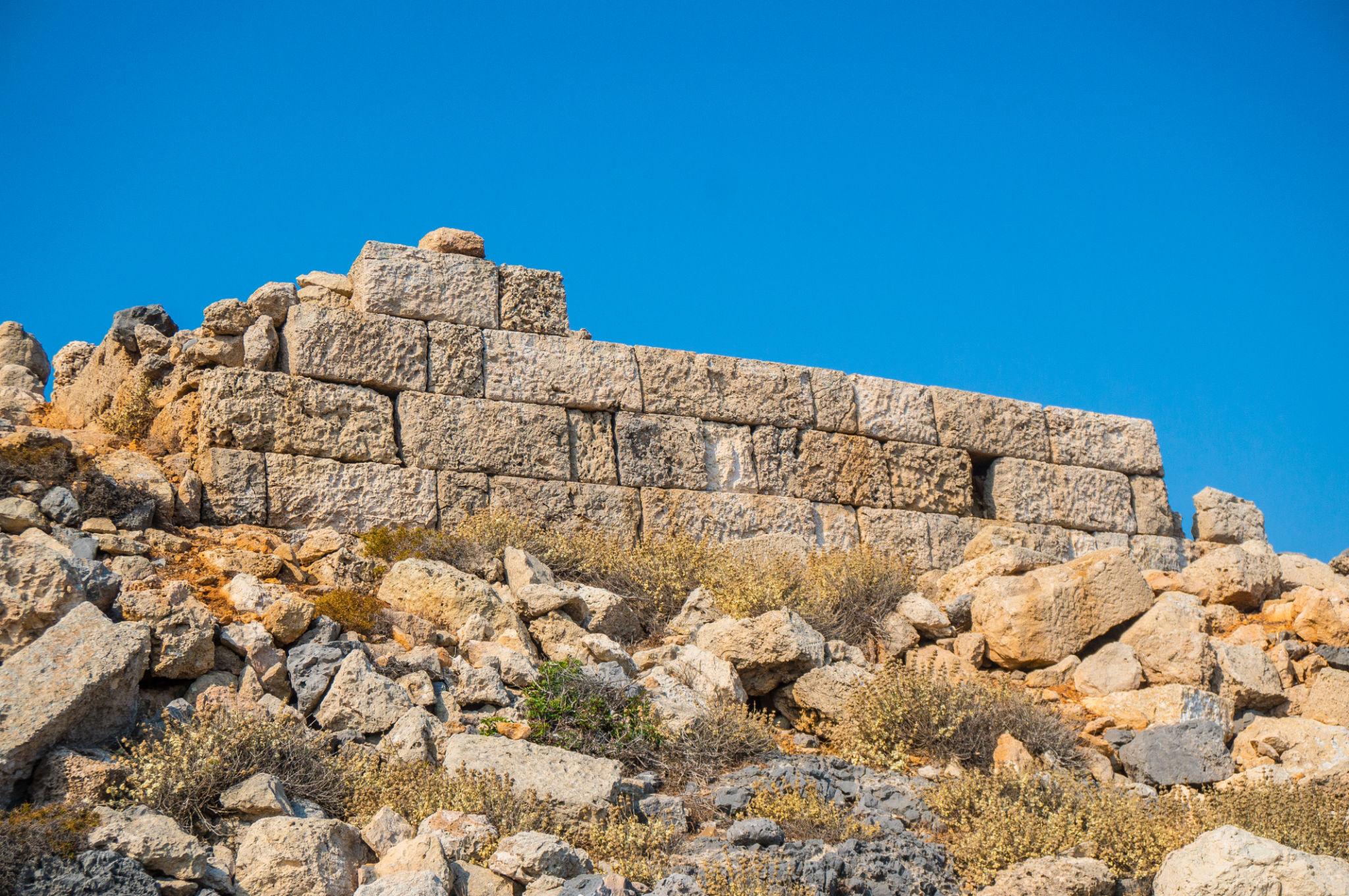
Falasarna
60 kms from Kalyves
Ancient Hellenistic Port City
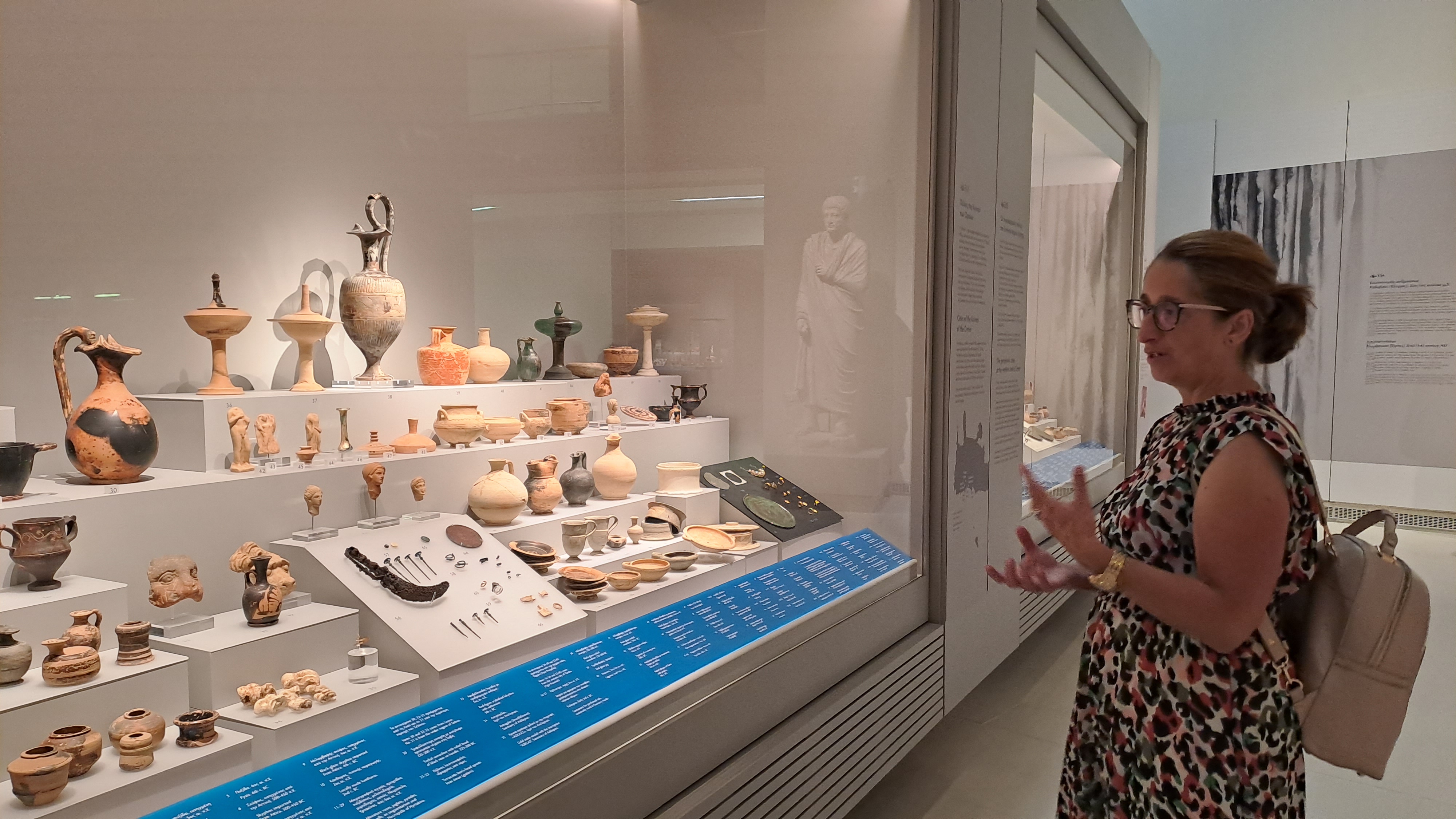
The Archaeological Museum of Chania
40 kms from Kalyves
Many artefacts from those the nearby sites are displayed there.
 GregTurns80